Understanding WPC Cladding
WPC cladding stands for Wood Plastic Composite cladding—an engineered exterior wall covering manufactured from a precise blend of wood fibers (typically 60-70%) and thermoplastic polymers (30-40%), along with specialized additives for UV protection, color stability and enhanced durability.
WPC Cladding Canberra has gained significant popularity among architects, builders and homeowners due to its ability to withstand the capital’s extreme temperature variations while maintaining the warm, natural appearance of traditional timber cladding without the associated maintenance burden.
Why WPC Cladding Excels in Canberra
Canberra’s inland continental climate creates demanding conditions for exterior building materials, making WPC cladding an ideal choice for local construction projects.
Extreme Temperature Performance: Canberra regularly experiences temperatures from -10°C in winter to over 40°C in summer. WPC cladding maintains structural integrity and dimensional stability across this temperature range, unlike conventional timber that expands, contracts and eventually cracks under thermal stress.
Moisture Resistance in Dry Climate: While Canberra has relatively low humidity, occasional heavy rainfall and morning dew can affect exterior materials. WPC cladding’s polymer content makes it highly water-resistant, preventing moisture absorption that causes timber rot and degradation.
UV Stability: Canberra’s high-altitude location means intense UV exposure. Quality WPC cladding incorporates UV stabilizers that prevent color fading and material breakdown, maintaining appearance for 15-20 years without refinishing.
Bushfire Protection: Many Canberra residential areas fall within designated bushfire zones following the devastating 2003 fires. WPC cladding products with appropriate BAL ratings provide compliant exterior solutions for homes in these risk areas.
WPC Cladding Applications Across Canberra
WPC cladding suits various building types throughout Canberra’s residential and commercial sectors.
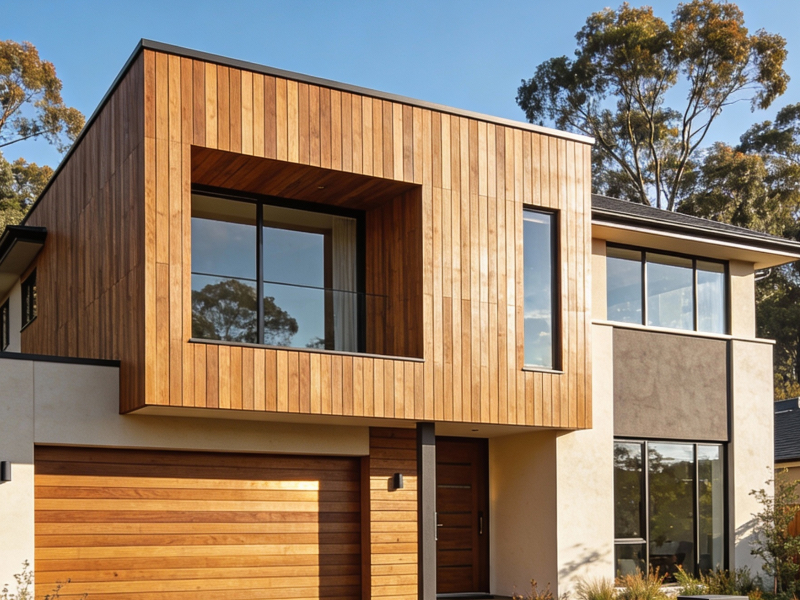
New Residential Construction: Modern Canberra homes increasingly specify WPC cladding for entire facades or as feature elements, appreciating the contemporary aesthetic and practical benefits. Developments in suburbs like Gungahlin, Molonglo Valley and Denman Prospect commonly feature WPC cladding.
Heritage Home Renovations: When renovating older Canberra properties, WPC cladding provides a low-maintenance alternative to traditional weatherboards while still delivering authentic timber aesthetics that respect heritage architectural character.
Commercial and Office Buildings: Canberra’s commercial districts utilize WPC cladding for office developments, retail centers and hospitality venues, benefiting from its professional appearance and minimal ongoing maintenance requirements.
Educational and Public Buildings: Schools, community centers and government facilities in Canberra choose WPC cladding for durability and low lifecycle costs, important considerations for publicly funded infrastructure
WPC Cladding Performance in Sydney’s Coastal Environment
Sydney’s humid coastal climate presents different challenges compared to Canberra, yet WPC cladding performs exceptionally in harbor city conditions.
Salt Spray Resistance: Unlike timber cladding that deteriorates rapidly in Sydney’s salt-laden coastal air, WPC cladding resists corrosion and degradation, making it ideal for beachside properties in suburbs like Bondi, Manly and Cronulla.
Humidity Tolerance: Sydney’s year-round high humidity causes timber swelling, warping and fungal growth. WPC cladding’s moisture-resistant composition prevents these issues, maintaining dimensional stability even in Sydney’s subtropical coastal microclimate.
Termite Protection: Sydney’s warm, humid conditions support active termite populations. WPC cladding is naturally termite-resistant due to its polymer content, eliminating the need for chemical treatments required by timber alternatives.
Melbourne’s Variable Climate and WPC Cladding Benefits
Melbourne’s notoriously changeable weather—”four seasons in one day”—makes WPC cladding particularly valuable for Victorian building projects.
Rain and Wind Resistance: Melbourne experiences frequent rainfall and strong winds, particularly in coastal areas. WPC cladding’s water-resistant properties and proper installation systems protect buildings from moisture ingress during Melbourne’s wet winter months.
Thermal Cycling Durability: Melbourne’s rapid temperature fluctuations—from cool mornings to hot afternoons—stress exterior materials. WPC cladding handles these thermal cycles without the dimensional changes that cause timber cladding to crack and split over time.
Architectural Versatility: Melbourne’s diverse architectural styles, from Victorian-era character homes to cutting-edge contemporary designs, all accommodate WPC cladding through its range of profiles, colors and textures available from Melbourne suppliers.
Design and Aesthetic Options for WPC Cladding
WPC cladding available in Canberra offers extensive design flexibility to match architectural visions across residential and commercial projects.
Color Palette: WPC cladding comes in natural timber tones (walnut, oak, cedar), contemporary neutrals (grey, charcoal, white) and modern accent colors. Advanced co-extrusion technology ensures colors remain stable for years under Canberra’s intense sun.
Surface Textures: Choose from smooth contemporary finishes, realistic embossed wood grain patterns, brushed effects or sanded appearances. The texture options allow WPC cladding to suit both traditional Canberra homes and ultra-modern architectural statements.
Profile Varieties: WPC cladding installs as traditional horizontal weatherboards, vertical boards for contemporary looks, shiplap profiles or modern linear panels. Profile selection dramatically affects the overall building aesthetic.
Custom Solutions: Many Canberra suppliers offer custom color matching and specific profile manufacturing for larger commercial projects requiring unique architectural specifications.