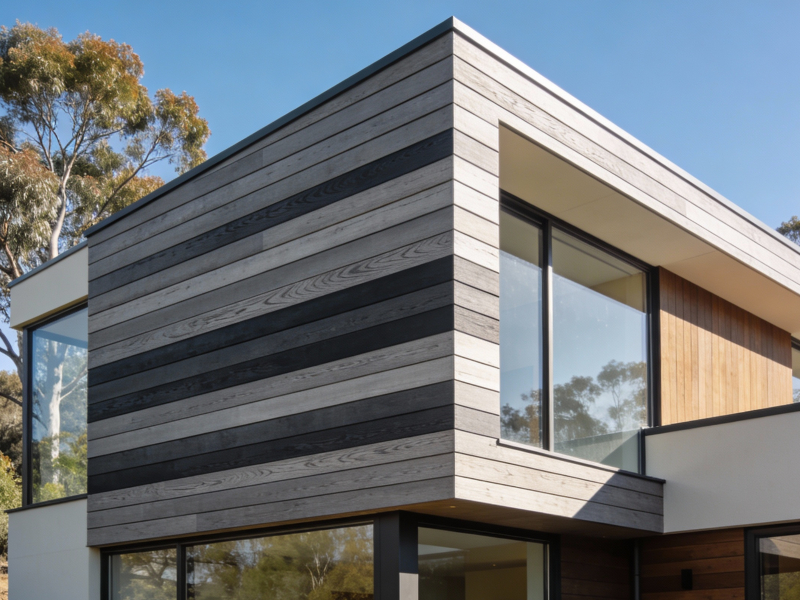
What Is Composite Cladding?
Composite cladding is an engineered exterior wall cladding material made from a blend of wood fibers, recycled plastics and protective polymers. Designed specifically for outdoor building applications, composite cladding provides the natural appearance of timber with enhanced durability, dimensional stability and resistance to rot, termites and weathering.
In Canberra, where temperature extremes range from below-freezing winter mornings to hot summer days exceeding 40°C, Composite Cladding offers superior performance compared to traditional materials that expand, contract and degrade under thermal stress.
Why Composite Cladding Is Ideal for Canberra’s Climate
Canberra’s unique inland climate presents specific challenges for exterior building materials, making composite cladding an increasingly practical choice for local construction projects.
Thermal Stability in Temperature Extremes: Canberra experiences some of Australia’s widest temperature variations. Composite cladding maintains dimensional stability through freeze-thaw cycles in winter and intense heat in summer, unlike timber cladding that can warp, split or crack under thermal stress.
Low Humidity Adaptability: The relatively dry Canberra climate can cause traditional timber cladding to dry out and shrink, creating gaps and requiring frequent maintenance. Composite cladding maintains consistent dimensions regardless of humidity fluctuations.
Bushfire Resistance: Many Canberra suburbs border grasslands and nature reserves with elevated bushfire risk. Composite cladding products with appropriate BAL (Bushfire Attack Level) ratings provide safer exterior solutions for homes in designated bushfire zones throughout the ACT.
Minimal Maintenance: Canberra homeowners and commercial property managers appreciate that composite cladding requires no painting, staining or sealing—just occasional washing to maintain appearance, saving time and ongoing costs.
Composite Cladding Applications in Canberra
Composite cladding suits diverse building types across Canberra’s residential and commercial sectors.
Residential New Builds: Contemporary Canberra home designs increasingly feature composite cladding as a primary exterior finish, offering clean lines and low-maintenance performance that appeals to modern homeowners.
Renovation and Extension Projects: Adding composite cladding during renovations updates older Canberra homes with fresh, modern aesthetics while improving weather protection and thermal performance.
Multi-Residential Developments: Apartment buildings and townhouse complexes in Canberra benefit from composite cladding’s durability and consistent appearance across large facade areas, with minimal long-term maintenance requirements for body corporate management.
Commercial and Retail: Canberra’s commercial precincts use composite cladding for shopfronts, office buildings and hospitality venues, creating attractive, professional exteriors that withstand heavy foot traffic areas and urban environments.
Comparing Composite Cladding Across Sydney, Melbourne and Canberra
While composite cladding performs excellently in Canberra, its benefits extend across Australia’s major cities, though climate considerations vary.
Sydney’s Coastal Environment: Sydney’s high humidity and salt-laden coastal air accelerate degradation of traditional timber cladding. Composite cladding resists moisture absorption and salt corrosion, making it particularly suitable for Sydney’s beachside suburbs and harbor-facing properties. The UV-resistant formulations prevent color fading under Sydney’s intense sunlight.
Melbourne’s Variable Weather: Melbourne’s unpredictable climate with frequent rain, wind and rapid temperature changes tests exterior materials constantly. Composite cladding handles Melbourne’s weather extremes without the warping, cracking or moisture damage common in timber alternatives, making it increasingly popular across Melbourne’s inner suburbs and coastal areas.
Canberra’s Unique Requirements: Unlike the coastal humidity of Sydney or Melbourne’s maritime influences, Canberra’s dry continental climate and temperature extremes make composite cladding’s thermal stability and low-moisture characteristics particularly advantageous. Canberra projects also frequently require bushfire-rated materials unavailable in standard timber cladding.
Design Options and Aesthetics
Composite cladding available in Canberra offers extensive design flexibility to match diverse architectural styles.
- Color Range: From natural timber tones to contemporary greys, charcoals and even bold accent colors, composite cladding suits traditional Canberra homes and cutting-edge modern designs alike. UV-resistant pigments ensure colors remain stable for years without fading.
- Texture and Profile Options: Choose from smooth contemporary finishes, realistic wood grain textures or brushed effects. Profile options include traditional horizontal weatherboards, vertical screening, shiplap and modern linear panels.
- Mixed Material Designs: Canberra architects commonly combine composite cladding with render, brick or steel elements, creating visually interesting facades that showcase composite cladding as a premium architectural feature rather than just a protective covering.
Environmental Considerations
Composite cladding aligns with increasing environmental awareness among Canberra homeowners and commercial developers.
Recycled Content: Many composite cladding products incorporate recycled timber waste and post-consumer plastics, diverting materials from landfill and reducing demand for virgin timber harvesting.
Longevity and Waste Reduction: The 25+ year lifespan of composite cladding significantly exceeds typical timber cladding replacement cycles, reducing long-term material consumption and construction waste in Canberra’s building sector.
No Toxic Treatments: Unlike some timber cladding requiring chemical preservatives or toxic paints, composite cladding achieves natural resistance to rot and termites through material composition, eliminating harmful chemical use.
For Canberra property owners seeking durable, attractive and low-maintenance exterior solutions, composite cladding represents a practical investment that performs reliably in the capital’s challenging climate while offering design versatility comparable to projects in Sydney and Melbourne.