Hardwood vs Composite Decking: Which Is the Better Investment for Your Home?
Hardwood is frequently the first material that homeowners think about using when building a new deck. Its innate appeal is difficult to ignore. But as alternatives develop, composite decking—also known as WPC, or wood plastic composite—becomes more and more well-liked as a reliable and low-maintenance substitute. So that you may make an informed decision, let’s examine the advantages and disadvantages of each material.
The Hidden Catch Behind Hardwood Timber Decking’s Natural Beauty
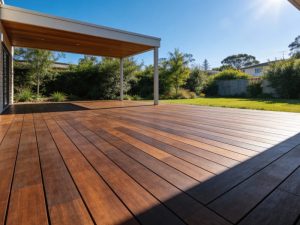
Because of its organic appearance, hardwood decking is the material of choice for adding cosiness and refinement to outdoor areas. However, this beauty has a cost, both in terms of maintenance and money. Since wood is a natural substance, it is quite prone to dampness. Wide boards have a tendency to cup and splinter with time, particularly in high-traffic areas.
Hardwood Maintenance Requirements
For a hardwood deck to maintain its finest appearance, oil finishing must be done often. In order to protect timber decks from the weather, many experts advise treating them at least twice a year. Frequent care can help avoid unevenness and gloss loss, particularly if the wood has been coloured.
It might be challenging to stain a hardwood deck since it’s hard to create an equal finish. Additionally, dense stains may cover the deck’s grain, lessening its inherent anti-slip properties.
Installation Considerations for Hardwood
Another thing to think about is fasteners. The longevity of the deck will depend on the use of screws or nails. Making the incorrect decision might lead to warping or even more rapid wear and tear. For anyone who likes the organic, natural beauty of wood, hardwood is still a great choice despite its high maintenance requirements.
Composite Decking: A Cutting-Edge, Sustainable Approach
Conversely, composite decking is popular for a variety of reasons. It is an environmentally friendly option since it is composed of high-density polyethylene plastic and recovered wood fibres. Being green is only one of the many advantages, though. Compared to hardwood lumber, composite decking is much easier to maintain, splinter-free, and slip-resistant.
Low Maintenance Benefits
Composite boards don’t require regular staining or oiling as timber does. They save time only as a result of this. In composite structures, hidden fasteners are frequently utilised to provide a smooth surface devoid of apparent screws or nails.
Furthermore, because composite decking materials are color-fast, many of them keep their original colour longer than wood. The material may weather a little at first, but after a few months it settles and keeps its appearance for years.
Long-Term Cost Effectiveness
Although composite decking first seems more expensive, in the long run, it’s usually the most economical choice because of its little maintenance needs. It is no longer necessary for homeowners to spend for costly oils, stains, or services to maintain their decks.
Comparing Key Features: Hardwood vs Composite
| Feature | Hardwood Decking | Composite Decking |
| Material | Natural timber | Recycled wood fibres+plastic |
| Maintenance | High – requires regular oiling/staining (2x yearly) | Low – occasional soap and water cleaning |
| Lifespan | 10-15 years with proper care | Up to 30 years |
| Initial Cost | Lower | Higher |
| Long-term Cost | Higher (maintenance expenses) | Lower (minimal upkeep) |
| Weather Resistance | Prone to moisture, warping, cupping | Highly resistant to rot, warping, cracking |
| Appearance | Natural wood grain and texture | Replicates wood appearance |
| Color Stability | Fades and greys over time | Color-fast, UV resistant |
| Environmental Impact | Depends on timber | Made from recycled materials |
| Splinters | Can splinter over time | Splinter-free |
| Slip Resistance | Good (if unstained) | Excellent |
Increasing Use of Synthetic Decking
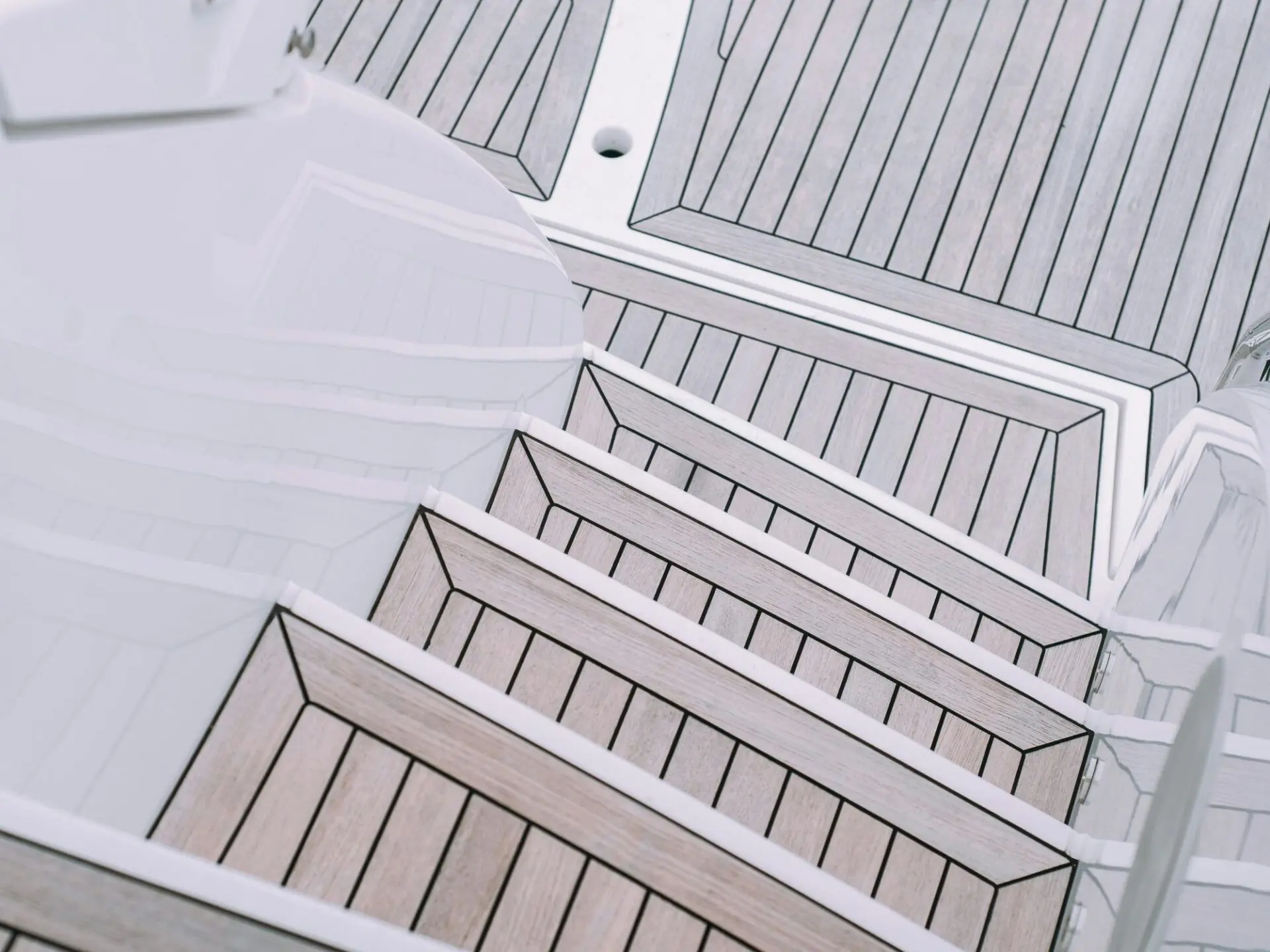
Artificial decking is quickly taking over as homeowners search for materials that combine durability and visual appeal. Traditionalists continue to be drawn to wood, but synthetic materials are becoming more popular. Composite decking offers a robust, long-lasting surface that replicates the visual appeal of real wood by combining the best qualities of plastic and wood.
Versatility of Applications
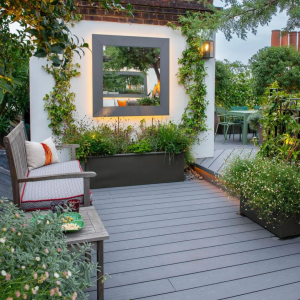
Any project, including pool decks, rooftop getaways, garden makeovers, and balcony renovations, may be handled by artificial decking due to its versatility. It complements a variety of design styles, such as clean, contemporary colour palettes and organic, rustic tones. Its low maintenance needs further contribute to peace of mind.
Durability in High-Traffic Areas
The longevity of composite decking is one of its primary selling features, particularly in high-traffic areas. Composite decks are robust and resilient, even after repeated usage, and may be built in either a business or residential backyard. Compared to wood, it takes less maintenance, so homeowners can enjoy their outside areas hassle-free.
The Reasons Why Homeowners Choose Composite Decking
The increased popularity of composite decking makes sense. With its low maintenance requirements, simplicity of installation, and eco-friendly composition, it’s a favourite option for homeowners wishing to improve their homes. Additionally, because composite materials are strong, aesthetically pleasing, and long-lasting, they increase the value of properties.
Addressing Traditional Hardwood Challenges
The disadvantage of traditional hardwood decks is that they require ongoing oiling, deterioration, and cracking. These worries are allayed by composite decking, which provides a weather-resistant solution without sacrificing function or attractiveness. Modern homeowners, whether they are remodelling their backyard or starting a large-scale commercial project, prefer composite decking because of its robustness and visual appeal.
Climate Considerations for Australian Homes
Australian climate conditions significantly impact decking material performance:
Hot and Dry Climates
In areas with intense sun exposure and dry conditions, hardwood requires more frequent maintenance to prevent cracking and fading. Composite decking’s UV resistance makes it ideal for these environments.
Humid and Coastal Areas
Salt air and high humidity accelerate hardwood deterioration, requiring additional protective treatments. Composite materials resist moisture damage and corrosion, making them superior choices for coastal properties.
Variable Weather Conditions
Regions experiencing temperature fluctuations and seasonal changes benefit from composite decking’s stability. Unlike hardwood which expands and contracts, composite materials maintain dimensional stability.
Environmental Impact Comparison
Hardwood Environmental Factors
Depends on responsible forestry practices
Carbon sequestration in living trees
Chemical treatments may impact environment
Requires ongoing maintenance products
Composite Environmental Benefits
Made from recycled plastic and wood waste
Reduces landfill waste
No chemical treatments needed
Longer lifespan reduces replacement frequency
Diverts materials from waste stream
Selecting Your Home’s Ideal Decking Material
Your priorities will determine whether you choose composite decking or hardwood lumber. Timber might still be the finest option for you if you like its natural beauty and don’t mind taking care of it. Composite decking is a strong competitor if you’d like a low-maintenance solution that still looks fantastic and lasts a long time.
Key Decision Factors
Think on the things that are most important to you:
Beauty: Do you prefer authentic wood grain or modern aesthetics?
Ease of upkeep: How much time can you dedicate to maintenance?
Sustainability: Are recycled materials important to you?
Long-term cost: Can you invest more initially to save long-term?
Climate: Does your local weather favor one material over another?
Usage: Will the deck experience heavy foot traffic?
When Hardwood Makes Sense
You value authentic natural wood appearance
You enjoy hands-on maintenance projects
You have time for regular upkeep
Initial budget is primary concern
You’re restoring a heritage property
When Composite is the Better Choice
You want minimal maintenance
Long-term value is priority
You prefer consistent appearance over time
Your climate is harsh (extreme heat, humidity, or coastal)
You value environmental sustainability
High-traffic areas need durability
Professional Installation Considerations
Regardless of material choice, proper installation is crucial:
Hardwood: Requires expertise in wood expansion gaps, proper fastening, and sealing
Composite: Benefits from hidden fastener systems for seamless appearance
Both: Need adequate ventilation, proper drainage, and structural support
Making Your Decision
Composite decking is a fantastic option for anybody searching for a low-maintenance deck with a sleek, contemporary style. It’s a useful, environmentally responsible option that combines robustness with adaptability.
All materials have advantages in the end, and your decision will be based on your personal requirements and tastes. Whichever route you choose, adding a high-quality deck can improve your home’s outside area and increase its value.
For expert guidance on choosing between hardwood and composite decking for your specific situation, contact Compotech Solution. Our team can help you evaluate your priorities, local climate conditions, and budget to select the perfect decking material that will provide years of enjoyment and value.